
If you ask most patients how they choose a doctor today, many will give you the same answer. They search online. They read reviews. They check social media. They want to see who you are before they book an appointment.
This shift has changed how healthcare grows. Word of mouth still matters, but online presence now plays a major role. That is why social media marketing for doctors has become essential for modern medical practices.
Social media is not about dancing videos or chasing trends (pun intended). For doctors, it is about education, trust, visibility, and community impact. When used right, it helps you connect with more people, respond to their questions, and boost their confidence before they come to your clinic.
In this detailed blog, you will learn how to use social media in a smart, ethical, and effective way to grow your practice.
Why Social Media Is Important for Doctors Today

Patients today are more informed than ever. They research symptoms. They read about treatments. They compare providers. If they cannot find clear and reliable information from you, they will find it somewhere else.
This is where strong doctor social media marketing creates a major advantage.
When you post helpful health information, you:
- Show your expertise
- Reduce patient anxiety
- Increase awareness about preventive care
- Position yourself as a trusted authority
If you often post about diabetes management, patients with blood sugar issues will start to see you as a trusted specialist.
Over time, this builds credibility that advertising alone cannot achieve.
Goals of Social Media for Doctors
Before posting anything, you need clarity. Ask yourself: what do I want to achieve?
Most doctors have one or more of these goals:
- Increase appointment bookings
- Promote new services
- Build community trust
- Educate patients
- Strengthen personal brand
Effective social media marketing strategies for doctors support all these goals, but it starts with education. When you focus on helping first, growth follows naturally.
Choose the Right Social Media for Your Practice
Not every social media platform works the same way. Each attracts a different audience and supports a different type of content. That is why you should never try to be everywhere at once. Instead, you should choose platforms based on your patient demographics, your specialty, and your goals.
For example, a pediatric clinic will likely speak to parents. A cardiologist may target adults over 40. A cosmetic dentist may attract younger professionals. The right platform helps you reach the right people more efficiently.
Let’s break down the main platforms and how they work for medical practices.
Facebook remains one of the strongest tools for local visibility. Millions of adults use it daily, especially parents and middle-aged patients. This makes it highly effective for family medicine, pediatrics, internal medicine, gynecology, and general practice.
One of the biggest advantages of Facebook is its local targeting power. With smart Facebook marketing for doctors, you can target posts and ads to people near your clinic. You can even narrow your audience by age, interests, or health concerns.
For example:
- A pediatric clinic can target parents with children under 10.
- Cardiology practice can target adults over 40.
- A general physician can target families in nearby neighborhoods.
Facebook lets users share different types of content. This includes text posts, images, videos, live sessions, and community groups. You can share tips for preventive care, answer health questions, promote flu shot campaigns, or announce new services.
Because Facebook encourages interaction, it helps build trust. When patients comment on your posts, and you respond professionally, they see that you care. Over time, this builds familiarity and confidence.
Instagram focuses more on visuals. If your specialty involves strong visual results, this platform can be powerful.
It works especially well for:
- Dermatology
- Dentistry
- Orthopedics
- Plastic surgery
- Aesthetic medicine
- Wellness clinics
On Instagram, short educational videos and simple graphics perform very well. For example, you can post:
- Before and after images (with proper consent)
- Short reels explaining a common condition
- Simple health infographics
- Quick wellness tips
Instagram helps you connect with younger audiences and working professionals. It also allows you to show the human side of your clinic. You can share behind-the-scenes moments, introduce staff members, and show your clinic environment.
If you aim to boost brand awareness and engagement, Instagram can be a key part of your social media marketing strategy for doctors.
LinkedIn serves a different purpose. It is less about patient engagement and more about professional credibility.
If you want to:
- Network with other healthcare providers
- Build referral partnerships
- Share medical insights
- Position yourself as a thought leader
LinkedIn is ideal.
You can publish articles here. Write about medical trends, healthcare policies, new treatments, or research insights. This strengthens your professional image and builds authority within the healthcare community.
For specialists who count on referrals from other doctors, LinkedIn can be a key part of their doctor social media marketing efforts.
YouTube
YouTube is excellent for detailed explanations. It gives you more time to educate your audience deeply.
If your work involves complex procedures or treatment plans, YouTube can help you explain them clearly. You can create videos such as:
- “What to Expect During Knee Replacement Surgery”
- “Understanding Root Canal Treatment Step by Step”
- “How to Manage Diabetes at Home”
- “Recovery Timeline After Heart Surgery”
Longer videos build strong trust because patients can see and hear you explain medical topics in a calm and clear way.
Many patients feel less anxious after watching educational videos from their doctor. This reduces fear and increases appointment bookings.
YouTube boosts your visibility on Google search results. This actually enhances your social media marketing for medical practices.
Start Simple and Focus on One Platform
When planning your strategy, do not try to manage every platform at once. That often leads to burnout and inconsistency.
Instead:
- Choose one main platform based on your specialty and audience.
- Add one secondary platform if you have the time.
- Post consistently.
- Track engagement and adjust your content.
Once you feel confident and organized, you can expand further.
Strong social media marketing for medical practices is not about quantity. It is about focus, clarity, and consistency. Choose the right platforms for your specialty. Use them wisely. This way, your online presence can boost your practice growth.
Creating Content That Educates and Converts
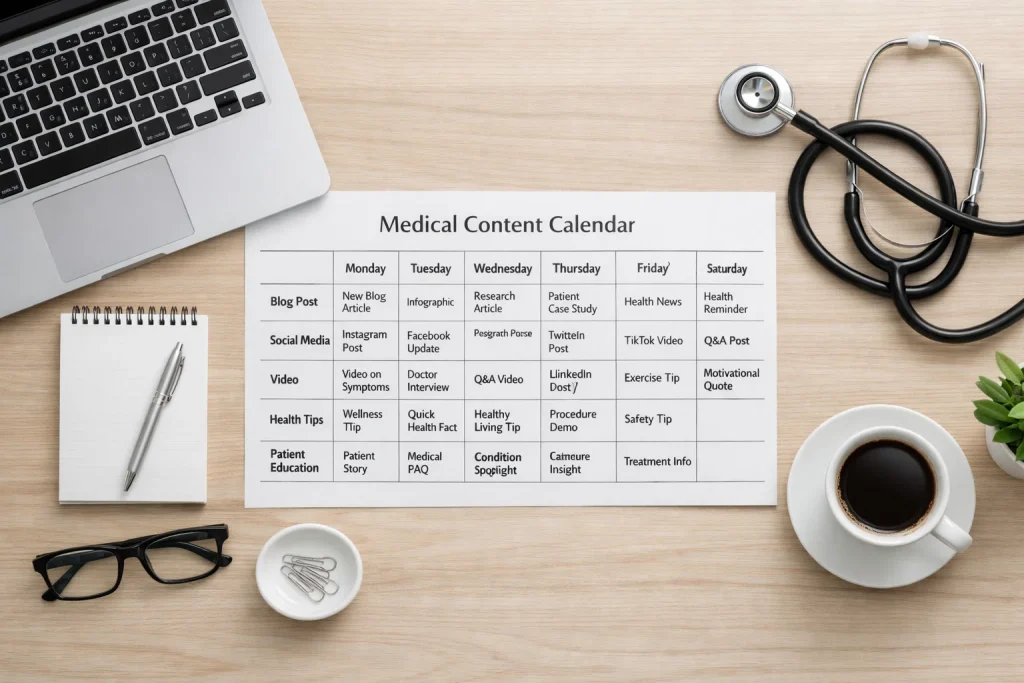
The biggest mistake doctors make is posting random content. Success requires structure.
Here are the most powerful content types:
1. Educational Posts
Teach simple concepts clearly. For example:
- “What Causes High Blood Pressure?”
- “When Should You Worry About Chest Pain?”
- “How to Prevent Back Pain at Work.”
Keep sentences short. Avoid heavy medical jargon. Explain complex topics in everyday language.
2. Frequently Asked Questions
Patients ask similar questions daily. Turn those into posts. This approach saves time and builds authority.
3. Preventive Care Reminders
Encourage annual checkups, screenings, and vaccinations. Preventive education strengthens your reputation as a caring professional.
4. Short Educational Videos
A one-minute explanation about a common condition can build significant engagement. Patients prefer seeing and hearing their doctor.
Strong social media marketing strategies are key for doctors. It keeps your content valuable and organized.
Let’s Boost Your Clinic on Social Media
Most of your patients are already on social media. The real question is — are you available on Social Media?
If you’re not sure whether your social media is actually helping your clinic, we’re happy to take a look. We specialize in Healthcare Social Media Marketing, and we’ll review your pages, see what’s working, and share simple ways you can improve.
Book Your Free Audit Now
It’s completely free and there’s no pressure. Just honest feedback and clear direction for your clinic.
📞 Call Us: +1 954-228-0910
📧 Email Us: hello@healthcarewebagency.comOr simply click below to get started.
Be Trusted by Posting Regularly

Authority does not grow overnight. It grows through repetition and consistency.
When patients see your name linked to helpful information regularly, they start to trust you.
This is where long-term doctor social media marketing makes a difference. It creates familiarity. Familiarity creates trust. Trust leads to appointments.
Post at least two to three times per week. Stay consistent. Even small efforts compound over time.
Grow Your Clinic Locally with Facebook
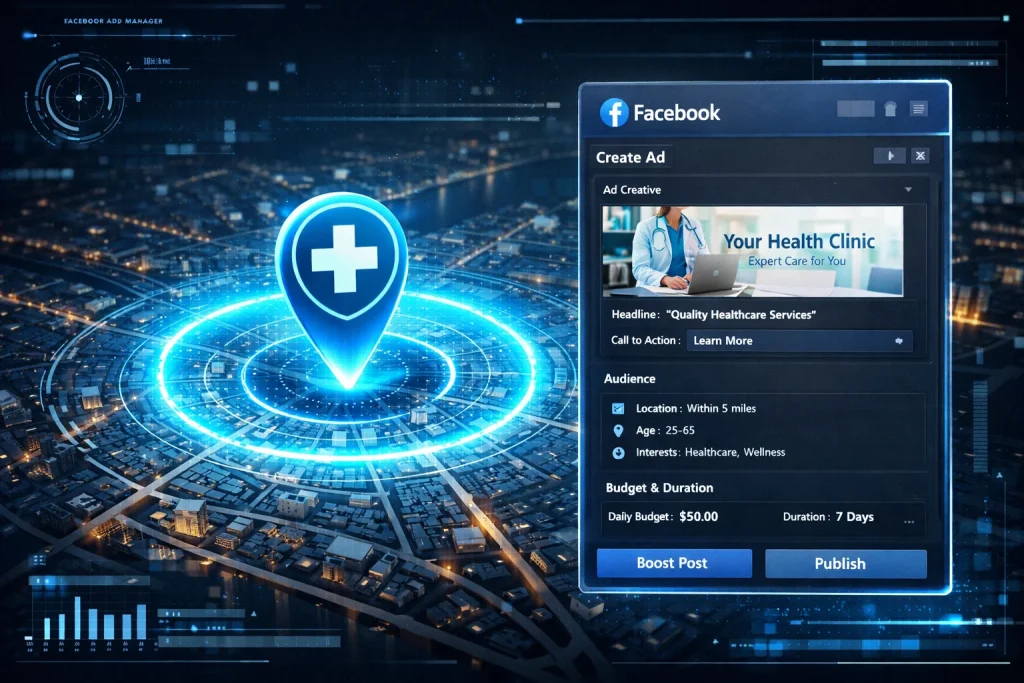
Many practices experience measurable results through targeted campaigns.
With smart Facebook marketing for doctors, you can:
- Promote new patient offers
- Advertise health screening packages
- Announce clinic expansions
- Target specific age groups
For example, a pediatric clinic can run ads targeting parents within a 10-mile radius. A cardiologist can target adults over 40 in the local area.
Paid campaigns work best when combined with organic educational posts. Education builds trust. Ads increase visibility.
Humanizing Your Practice

Patients do not just choose credentials. They choose people.
Show the human side of your clinic:
- Introduce team members
- Celebrate staff milestones
- Share community events
- Post behind-the-scenes moments
When patients see smiling faces and a welcoming environment, they feel comfortable before their visit.
This human touch boosts social media marketing for doctors in ways that simple ads can’t.
Using Paid Advertising Strategically
Organic reach builds slowly. Paid advertising accelerates exposure.
Effective social media marketing for medical practices includes careful use of paid campaigns.
Start small. Test one campaign at a time. Track results.
You can promote:
- New services
- Telemedicine options
- Seasonal health campaigns
- Awareness months
Always ensure compliance with privacy and healthcare advertising regulations.
Avoiding Common Social Media Mistakes
Social media can help your practice grow, but small mistakes can slow your results. Many doctors make these errors without realizing it. The good news is that they are easy to fix once you know what to watch for.
Overly Promotional Posts
If every post asks people to “Book Now” or “Call Today,” patients will lose interest. Social media is not just an advertising board. It is a place to educate and connect. Share useful health tips, answer common questions, and explain conditions in clear language. When you provide value first, patients naturally trust you more and are more likely to schedule an appointment.
Inconsistent Posting
Posting one week and disappearing the next reduces your visibility. Social media platforms reward regular activity. You do not need to post every day, but you should follow a simple schedule. Two or three posts per week are enough to stay visible and build familiarity with your audience.
Complex Language
Many doctors use medical terms that patients may not understand. On social media, simple words work best. Instead of using technical phrases, explain conditions in a way that anyone can understand. Clear communication increases engagement and builds stronger patient relationships.
Ignoring Engagement
When patients comment or send messages, they expect a response. If you ignore them, it may seem like you do not care. Reply professionally and promptly. Even a short response shows that you are attentive and approachable.
Good social media marketing strategies for doctors focus on connection and communication. It’s not just about posting information. When you avoid these common mistakes, your online presence becomes more effective and trustworthy.
Creating a 90-Day Growth Plan

A long-term approach delivers better results than random efforts.
Month 1
Optimize profiles. Post educational content twice per week. Introduce staff members.
Month 2
Increase posting to three times per week. Add short videos. Launch a small local ad campaign.
Month 3
Analyze performance metrics. Adjust content based on engagement. Promote a specific service.
This plan helps your social media marketing for doctors grow steadily and predictably.
Measuring Success Properly

Track meaningful metrics:
- Engagement rate
- Website clicks
- Direct messages
- Appointment inquiries
- Cost per lead
If you see increased inquiries and higher engagement, your strategy works.
Consistent analysis strengthens doctors’ social media marketing over time.
Protecting Compliance and Patient Privacy

Healthcare marketing requires responsibility.
Never share patient information without consent. Avoid discussing individual cases publicly. Follow local healthcare advertising regulations.
Ethical practice builds long-term trust and protects your reputation.
When to Consider Professional Help?
Doctors are busy. If managing content feels overwhelming, hiring professionals can help.
Agencies that specialize in social media marketing strategies for doctors who practice know the rules. They understand compliance well. They also excel in content planning and advertising strategy.
Professional support ensures:
- Consistency
- Compliance
- Strong branding
- Optimized campaigns
Outsourcing can free your time while accelerating growth.
How Social Media Helps Your Practice Grow
When done correctly, the benefits compound over time:
- Increased patient trust
- Higher appointment volume
- Stronger community recognition
- Improved brand authority
- Greater patient loyalty
Social media allows you to extend your care beyond clinic walls. It positions you not just as a doctor, but as a community educator.
Conclusion
Healthcare is built on trust. Social media simply provides a modern way to build that trust at scale.
Using structured social media marketing strategies for doctors can help your practice grow. Smart Facebook strategies also make a difference. Stay consistent with educational content to boost your success.
Focus on helping people understand their health. Speak clearly. Show compassion. Stay consistent.
Over time, patients will not just see you as a provider. They will see you as their trusted medical guide.
Frequently Asked Questions
Doctors can use social media to educate patients, build trust, and stay visible in their local community. Doctors build trust by sharing health tips, answering common questions, and posting regularly.
Over time, this visibility and trust lead to more bookings and better patient relationships. Regular marketing for doctors turns online interaction into actual clinic growth.
Social media marketing for doctors should focus on three key areas. First, educate your audience. Second, post regularly. Third, engage with your followers. Doctors should share simple health tips. They can post short educational videos.
They should remind patients about preventive care. They can also answer common patient questions. Running targeted local ads and responding to comments professionally also improves results. A clear content plan works better than random posting.
Start by choosing one main platform where your patients are active. Optimize your profile with clear contact information and professional photos. Plan two to three posts per week that focus on patient education. After building consistency, consider running a small local advertising campaign. Starting simply makes social media marketing for medical practices easier to manage.
The best platforms depend on your specialty and patient demographics. Facebook works well for local community engagement and family-focused practices. Instagram is ideal for visual specialties like dermatology and dentistry.
LinkedIn builds professional credibility, while YouTube helps doctors explain treatments in detail. Most doctors should begin with one or two platforms and expand gradually.
Facebook marketing for doctors allows precise local targeting. You can promote services, health packages, or awareness campaigns to people near your clinic. Facebook also helps build trust through educational posts and community interaction.
Clear messaging and regular engagement can lead to steady patient inquiries.
Doctors should post educational and helpful content. This includes health tips. It has answers to common questions. There are reminders for preventive care. You’ll find short videos and clinic updates, too. Avoid overly promotional content. Focus on value and clarity.
When patients learn something useful, they are more likely to trust and choose your practice.
Doctors should aim to post two to three times per week. Consistency matters more than frequency. Regular posting keeps your clinic visible and helps build recognition over time.
A simple weekly schedule makes it easier to stay consistent without feeling overwhelmed.
Yes, it can. When done right, social media marketing helps doctors. It increases visibility. It builds trust. It also strengthens community awareness.
Patients often research online before booking appointments. A strong social presence boosts your practice’s credibility and approachability. This can lead to more appointment bookings.
Common mistakes include posting only promotional content, using complex medical language, ignoring comments, and posting inconsistently.
Some doctors also try to manage too many platforms at once. Social media marketing for doctors works best when it has three key parts. First, it should educate. Second, it needs to be simple. Third, it must keep people engaged.
Small practices should start with one platform and create a simple content plan. Posting twice a week and responding to comments is enough to build momentum.
Using scheduling tools can save time. If resources are tight, hiring experts in social media marketing for medical practices can be a smart choice.