
Getting a patient into a dental chair is harder than convincing a toddler that broccoli is chocolate. If your current marketing feels like pulling teeth without any anesthesia, you need a sharper tool for your belt.
We are going to talk about PPC for dentists without the typical marketing jargon that sounds like a painful root canal.
Most people treat digital ads like a slot machine, but we are going to treat them like a precision surgical instrument.
You will learn how to target the right patients and stop wasting money on clicks that lead nowhere. We will cover everything from the basic setup to the complex math of bidding.
By the end of this, you will know how to make your phone ring with people who actually need their teeth fixed.
Let us get into the weeds of digital growth. It is time to sharpen your scalpel and start winning new patients today.
What to Configure First for PPC Fundamentals for Dental Clinics?
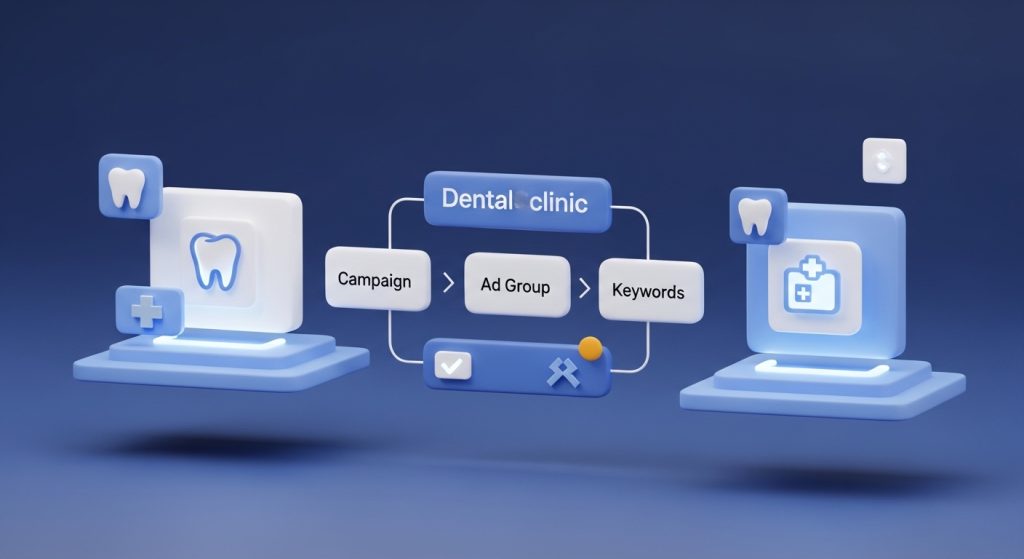
Start with the foundational layer of your account. Before you spend a single dollar on PPC for dentists, ensure your Google Ads account structure reflects your actual services.
Create separate campaigns for general dentistry, cosmetic procedures, and emergency services. This allows you to control exactly where your money goes. You must set up your Business Profile link immediately. This ensures your location shows up in local search ads.
Verify your phone number and physical address. Check your time zone settings twice. If you run ads at 2 AM when the office is closed, you waste money on people who want an immediate answer.
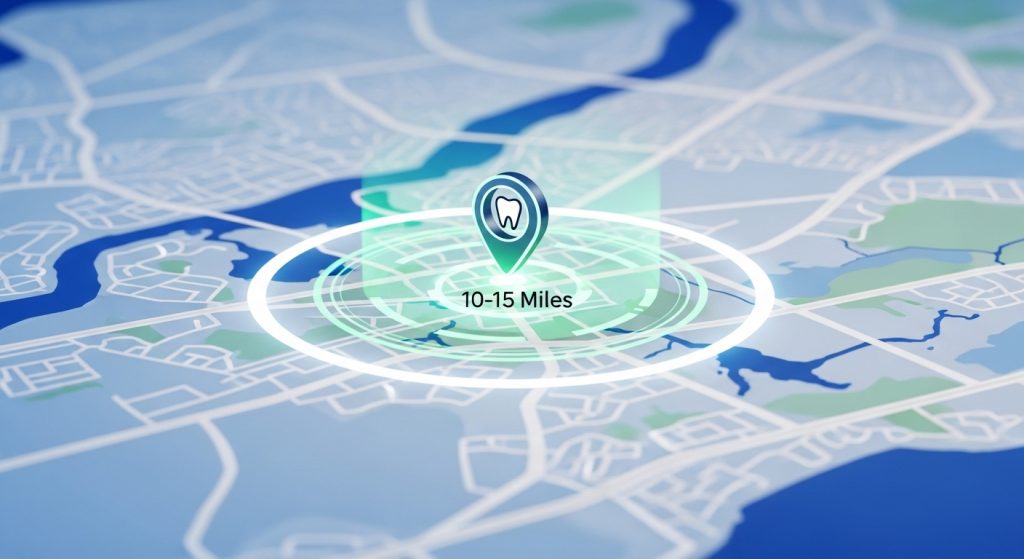
Disable the Google Search Partners network initially to maintain high traffic quality. Limit your reach to a specific radius around your practice. Most patients will not drive fifty miles for a cleaning.
Focus on a ten- to fifteen-mile radius to keep your clicks relevant and profitable. This setup prevents early waste. Professional results require a solid base for every campaign.
Building High-Intent Search Campaigns for PPC For Dentists
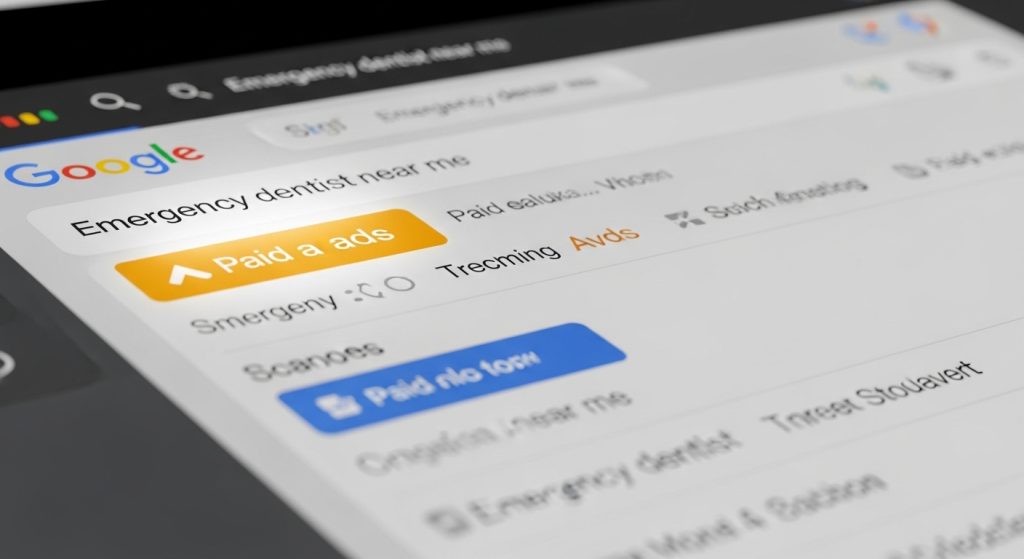
High intent is the secret sauce of successful PPC for dentists. You want the person with a throbbing molar, not the student writing a paper on enamel.
Target search terms that imply immediate action. Phrases like ’emergency dentist’ or ‘dental implants cost’ signal that the user is ready to book. Organize these into tight ad groups.
When someone searches for Invisalign, they should see an ad about clear aligners, not a general message about cleanings.
Use broad match sparingly. It often pulls in irrelevant searches, such as ‘dental school’ or ‘free dental clinics’.
Stick to phrase match or exact match to maintain control. This prevents your budget from disappearing into researchers’ hands.
Segment your campaigns by procedure value. High-ticket items like veneers deserve more aggressive bidding than routine checkups. This structure ensures your most profitable services get the most visibility.
You are hunting for buyers, not browsers. Aim for the patients who need help now. Quality traffic leads to a fuller schedule.
Keyword Strategy for Dentistry
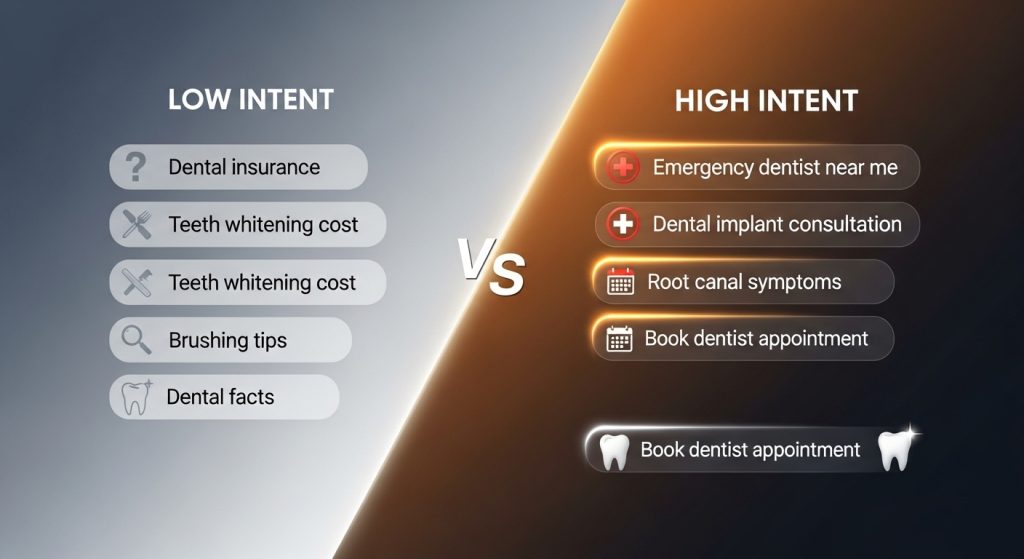
A winning PPC keyword list for dentists goes beyond simple terms. You must master negative keywords to protect your wallet. Add terms like jobs, salary, and cheap to your negative list right away. These attract people you cannot help.
Focus on long tail keywords that describe specific problems. Tooth pain relief near me carries more weight than just a dentist. Research what patients actually say in consultations. Do they ask about fake teeth or dentures? Use the language your patients use.
Incorporate local identifiers, such as neighborhood names or nearby landmarks. This builds trust and relevance. Group keywords by the buyer journey stage.
Someone researching dental implant benefits is searching. Someone searching for implant dentist reviews is choosing a provider. Treat these differently in your bidding.
This granularity keeps your cost per click manageable while increasing your conversion rate. Good keywords are the bridge between a problem and your solution. They guide the right people to your chair.
Here are some keywords for PPC for dentists you can use or draw upon to get some ideas started:
- Emergency Dentist City Open Now
- Dental Implants Cost City
- Best Family Dentist City Reviews
- Invisalign vs Braces for Adults
- Gentle Dentist for Nervous Patients
- Cosmetic Dentist City Before and After
- Dentist Near Me Accepting Insurance Provider
Landing Page Engineering for Higher Dental Lead Conversion
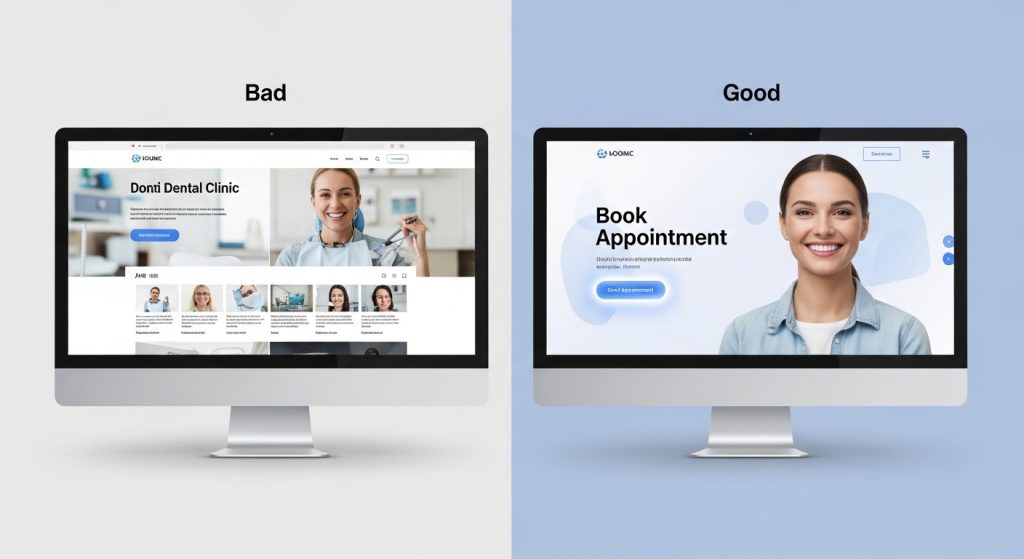
Your landing page is where the sale happens in PPC for dentists. Never send ad traffic to your homepage. Homepages are too busy and distract users with too many options.
Create a dedicated page for every specific service you advertise. If the ad is about wisdom teeth, the page should focus solely on them. Include a clear and bold call to action. A Book Now button should be visible without scrolling.
Use real photos of your office and staff. Stock photos of people with impossibly white teeth look fake and lower trust.
Include social proof like patient testimonials and star ratings. Make the mobile experience perfect. Most dental searches happen on phones during a lunch break or a painful night.
Your page must load in under two seconds. If it lags, the patient clicks the back button and goes to your competitor.
Professional design shows you care about details and patient comfort. It is your digital front door.
Tracking Dental Conversions with GA4 and Google Ads Safely
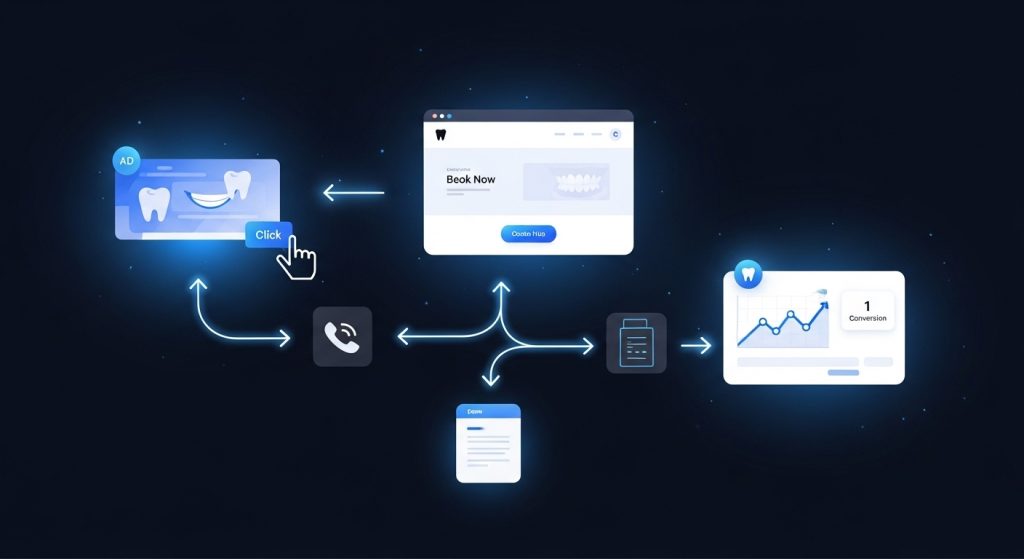
Data is useless if it is not accurate. Setting up PPC tracking for dentists requires a careful touch. You need to know which clicks turn into appointments. Use Google Tag Manager to fire events for form submissions.
Track every phone call using a dynamic number insertion tool. This tells you which keyword triggered the call. Be careful with HIPAA regulations. Never enter personally identifiable information, such as patient names or specific medical conditions, into Google Ads or GA4.
Keep your data anonymous. Set up your primary conversion actions as Bookings or Phone Calls.
Secondary actions, such as Directions or Price List Downloads, provide context but should not dictate your bidding. Check your conversion counts against your actual office records weekly.
This ensures your digital data matches the reality of your front desk. Accurate tracking lets you scale what works and cut what doesn’t.
Privacy and precision must go hand in hand here. It keeps your business safe and profitable.
Ad Copy That Matches Patient Intent Without Sounding Robotic
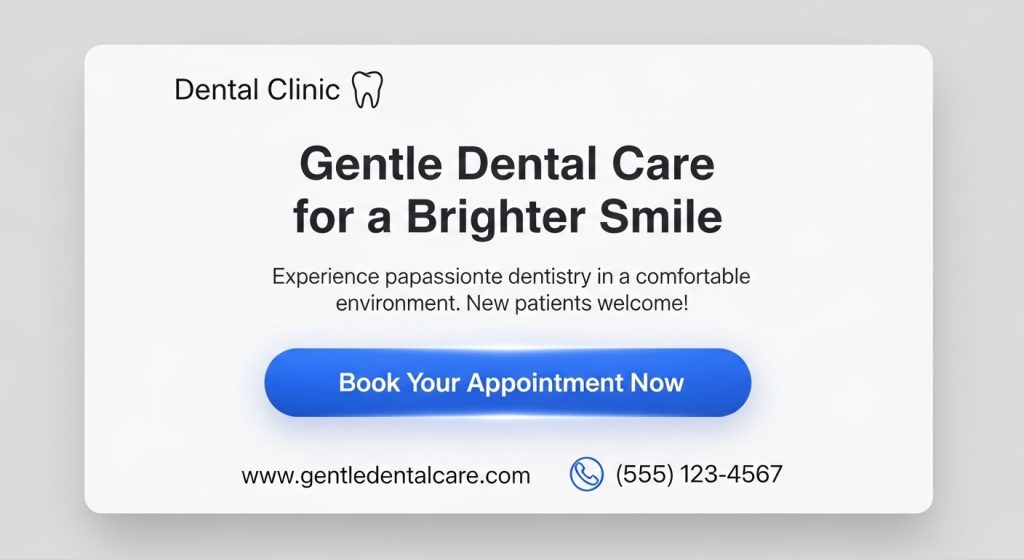
Good PPC ad copy for dentists speaks to a human need. Avoid dry lists of services. Instead of saying We offer root canals, try Get fast relief from tooth pain today.
Use the headlines to answer the user’s primary concern. If they search for an emergency dentist, your headline should mention same-day appointments.
Use your descriptions to build authority and comfort. Mention how many years you have been practicing, or your gentle approach with nervous patients. Include your location in the copy to confirm you are nearby. Use dynamic keyword insertion with caution.
It can make ads look messy if your keywords are too long. Focus on clarity over cleverness. A clear offer, like a Free New Patient Consultation, often beats a catchy slogan.
Address common fears, such as cost or pain, directly. This builds an immediate connection with the prospect. Your ad is the first handshake with a potential new patient. It should feel warm and professional.
Budget Allocation Models for Seasonal Demand and Multi-Location Practices
Your spending on PPC for dentists should change with the calendar. Demand spikes in late December as people try to use their insurance benefits before they expire. Increase your budget during these weeks to capture the surge. Back-to-school season is another peak for family cleanings and braces.
If you manage multiple locations, do not split the budget equally. Allocate more money to clinics in high competition areas or locations with lower organic rankings. Use location targets to prevent your offices from bidding against each other.
Monitor the performance of each zip code. If one area produces high-value patients, shift your funds there. Keep a small portion of your budget for testing new procedures or locations.
This flexibility allows you to adapt when a competitor opens a shop nearby or when a specific service loses steam.
Money should flow to the areas with the highest return potential. It keeps your marketing spend smart and focused.
Using Call and Form Extensions to Capture High-Value Dental Leads

Extensions make your ads larger and more helpful. For PPC for dentists, call extensions are the most important feature. Many patients want to talk to a human immediately.
Ensure your phone number is clickable directly from the search result. Use lead form extensions to let people request an appointment without even visiting your website.
This reduces friction and increases your conversion rate. Sitelink extensions should point to specific services or your Meet the Team page. Location extensions are vital for showing your distance from the user. They also allow your ad to appear on Google Maps.
Callout extensions highlight unique selling points, such as Open Saturdays or Sedation Available. These small additions improve your click-through rate and lower your costs.
They provide the extra information a patient needs to choose you over the next listing in the search results. Use every available space to prove you are the best choice. Small details win the biggest cases.
Bid Strategies for Dentists Maximize Value While Controlling Cost per Lead
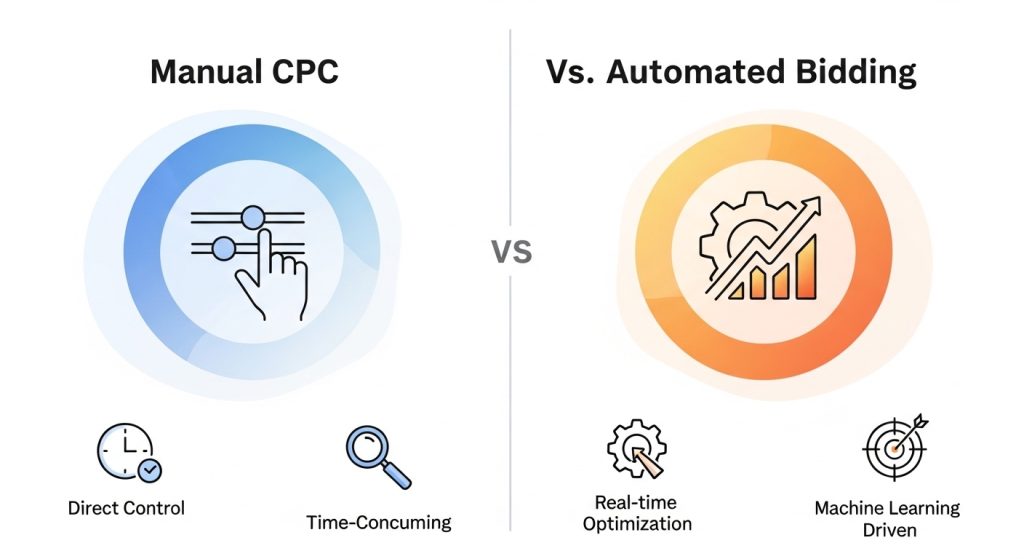
Choosing a PPC bid strategy for dentists depends on your data volume. If your account is new, start with Manual CPC.
This gives you total control over how much you pay for every click. Once you have thirty conversions in a month, move to an automated strategy.
Target Cost Per Acquisition is often the best choice. It tells Google to find as many leads as possible at a specific price point. If you focus on high-profit items like full mouth reconstructions, use Target Return on Ad Spend.
This tells the system to prioritize clicks that lead to bigger paydays. Avoid the Maximize Clicks setting. It often attracts low-quality traffic that never books an appointment.
Monitor your impression share to see how much of the market you are missing. Adjust your bids based on the time of day and the device the user is holding.
Smart bidding saves time and money. It finds the best patients for your specific budget.
Reporting Dashboards and Ongoing Optimization for Sustainable PPC Growth

Success in PPC for dentists requires constant attention. Do not just look at clicks or impressions. Focus on the cost per lead and the quality of those leads. Ask your front desk how many callers actually scheduled an appointment. This feedback loop is essential for growth.
Create a simple dashboard that shows your spending against your revenue. Audit your search terms report every week. This is where you find new negative keywords to exclude.
Look for trends in your data. Maybe your ads perform best on Monday mornings when people are dealing with weekend dental issues.
Shift your bids to capitalize on these patterns. Test new ad headlines every month to see what resonates. Constant small changes lead to massive long-term gains.
A healthy account is never finished. It evolves with your practice and the local market.
Stay focused on the metrics that actually impact your bank account. Real results come from persistence and daily checks. Keep your eye on the goal.
Frequently Asked Questions
PPC stands for pay-per-click. It is a model where you pay for each visitor who clicks your ad. For your practice, this means your clinic appears at the top of search results when people look for dental services.
Google auctions these spots based on your bid and quality. You only spend money when someone actually interacts with your link.
Costs vary by city and the services you promote. Most practices spend between $1,000 and $5,000 per month. You set a daily budget to control your spending.
Competition for terms like ‘implants’ or ‘veneers’ increases the price per click. You only pay for the leads you get. This keeps your marketing budget manageable and very predictable.
Small clinics can use this tool to grow their patient base. You do not need a massive budget to start. Focus on specific local areas or specialized services to save money.
By targeting long tail keywords, you avoid high costs while reaching patients who need your help. Start small and increase you spend as you see more patients in your chair.
Focus on the patient’s problem and your solution. Use clear headlines that mention same-day appointments or specific procedures. Write copy that feels friendly and welcoming instead of cold and clinical.
Include a strong call to action, such as “call today” or “book online.” Always link your ads to a specific page that matches the offer to build immediate trust.
Both platforms serve different purposes. Google Ads captures people actively searching for a solution right now. This is perfect for emergencies or specific treatments.
Social media ads help build awareness and stay on top of mind for families. Use Google if you want to book high-value services immediately. Use social platforms to showcase your team and your office.
You see your ads live almost instantly. Unlike other methods, traffic starts hitting your site the moment you launch. You often see phone calls and form submissions within the first week.
It takes a few months to fine-tune your strategy for the best results. The speed of this method makes it the fastest way to fill empty appointment slots.
This is the best way to reach people in your neighborhood. You can set your ads to show only to people within a few miles of your office. This prevents you from paying for clicks from people who live too far away. Local extensions show your address and phone number directly. This makes it easy for your neighbors to find you.
Target phrases that show a clear intent to book. Use terms like emergency dentist or dental implants near me. Include your city name to keep searches local.
Avoid general words like ‘tooth’ or ‘doctor’ that attract irrelevant traffic. Focus on the procedures that bring the most value to your practice. High-intent words ensure you spend money on real prospects.
Track every phone call and form submission through your website. Use tools that tell you exactly which had led to a booking. Monitor your cost per lead to ensure profitability.
Ask your front desk staff to note where new patients heard about you. This data shows you which parts of your campaign work and which need changes soon.
If you need patients today, PPC is the better choice. It puts you at the top of the page immediately. SEO is a long-term game that takes many months to show real results.
Most successful practices use both methods together. This provides quick wins while organic search builds your authority over time. Use ads to fill gaps in your schedule.
Conclusion
Building a steady stream of new patients requires a mix of data and empathy. This Healthcare Web blog equips you with tools to run effective campaigns and prevent wasted resources.
Focus on your local community’s needs and provide clear paths for them to book appointments. Watch your metrics closely and make small changes every week.
A busier clinic and a healthier neighborhood are just a few clicks away now.
From Search to Seat – Turn Every Click Into a Patient
If you’re serious about growing your dental practice, it’s not just about getting clicks — it’s about getting the right people to actually book an appointment. With a focused PPC strategy, your clinic shows up when patients are actively searching, which means less wasted budget and more real bookings on your calendar. The aim is simple: turn search intent into phone calls, and phone calls into patients sitting in your chair.
Let’s Connect & Collaborate