
Starting therapy is a big step, and for many people, it begins with a website. When someone is already feeling anxious, confused, or unsure, the way a therapy website looks and sounds can make all the difference. A calm layout, clear words, and a welcoming tone can turn fear into relief and hesitation into trust.
In this blog, we explore seventeen psychotherapy website examples that are thoughtfully designed with patients in mind. Intentional therapist website design and effective mental health design create safety, clarity, and comfort. This helps people feel supported and confident to seek help.
Patient-Centered Psychotherapy Website Examples
1. Cris Teta Rillera Therapy
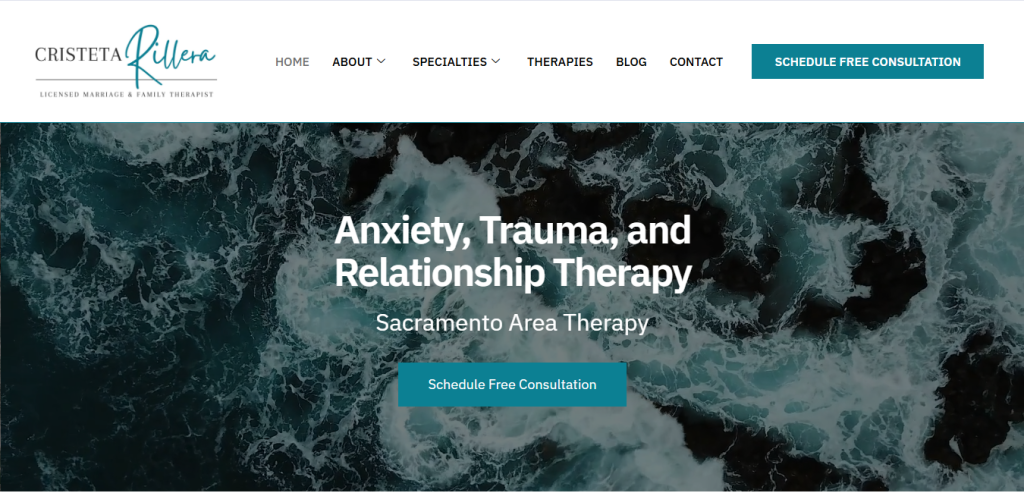
Calm & Human Psychotherapy Website Design Example
This website creates a calm and welcoming experience from the first moment. The layout is clean, spacious, and easy to follow, helping visitors feel less overwhelmed. Soft colors and simple fonts support readability and emotional comfort.
The language feels personal and kind, clearly and reassuringly explaining therapy services. The design builds trust and emotional safety. This makes it a great example of a patient-focused therapist website.
Key Highlights:
- Calming layout
- Clear and gentle language
- Trust-building presentation
- Simple navigation flow
- Patient-first design decisions
2. Bright Moments Therapy
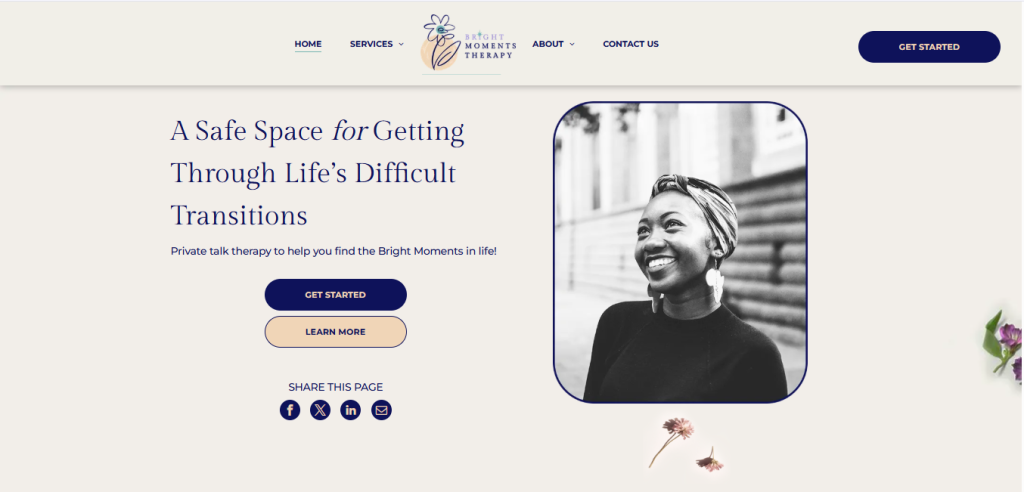
Warm & Inviting Mental Health Website Design Example
This website feels friendly and supportive while staying professional. The design uses soft visuals and precise spacing to help visitors feel comfortable as they explore the content. Services are explained in simple terms, making therapy feel less intimidating.
Navigation is easy, allowing users to find information quickly without frustration. This site is a great example of a psychotherapy website. It shows how warmth and clarity can come together in effective mental health design.
Key Highlights:
- Welcoming visual tone: Gentle colors and a layout create an immediate sense of emotional ease.
- Supportive service explanations: Therapy offerings are clear, friendly, and non-intimidating.
- Low-pressure experience: Visitors are guided gently without urgency or sales language.
- Clear navigation structure: Users move between pages smoothly and confidently.
- Emotionally reassuring messaging: The tone communicates care, empathy, and hope.
3. JM Urban LCSW
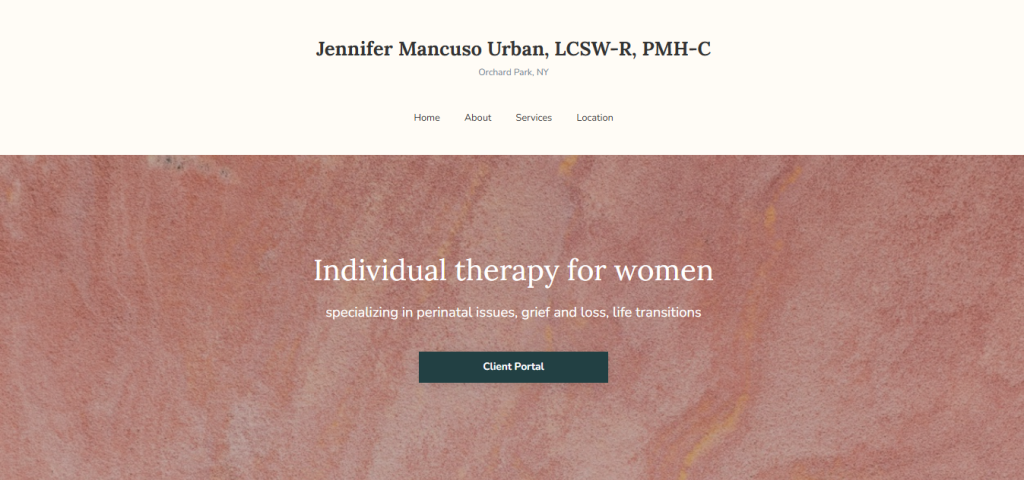
Clean & Simple Counseling Website Example
This website focuses on clarity and simplicity. The design avoids clutter and distractions, helping visitors focus on what matters most. Each section is clearly labeled, making services and next steps easy to understand.
The calm layout supports users who may already feel overwhelmed. It demonstrates how clean layouts and smart mental health website design can strengthen counseling website examples while maintaining professionalism and emotional ease.
Key Highlights:
- Minimal visual design: Reduces cognitive overload for stressed visitors.
- Clear content hierarchy: Headings guide readers naturally through information.
- Quick access to essentials: Services and contact details are easy to locate.
- Stress-reducing structure: No unnecessary elements competing for attention.
- Professional clarity: Communicates competence without emotional distance.
4. Mary Diorio LCSW
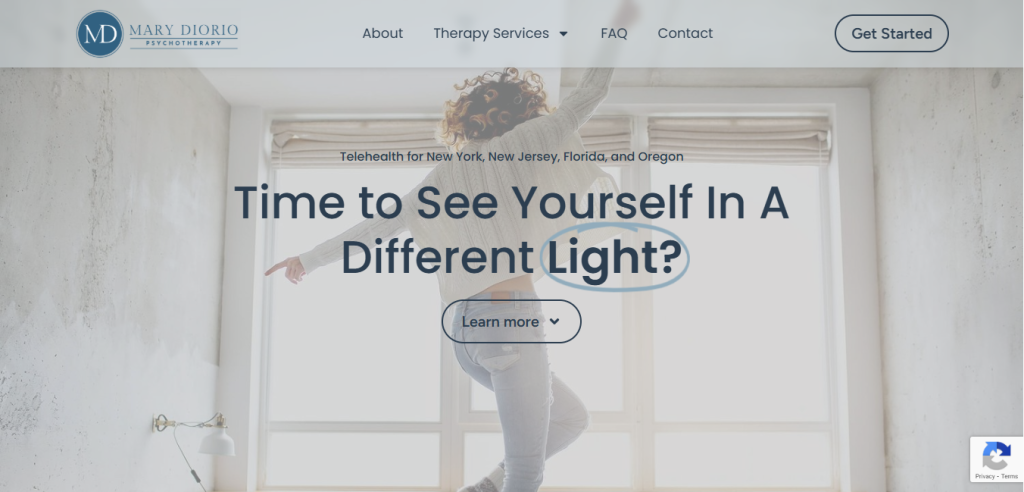
Gentle & Trust-Building Psychotherapy Website Example
This website feels steady, calm, and reassuring. The color palette is soft, and the layout is balanced, helping visitors feel grounded. Therapy services and therapist information are presented clearly without complex terms.
The site feels transparent and easy to understand, which builds trust quickly. Among psychotherapy website examples, this design shows how gentle visuals and clarity can increase confidence and reduce hesitation before reaching out.
Key Highlights:
- Soothing color palette: Helps visitors relax emotionally.
- Clear therapist introduction: Builds trust through openness and clarity.
- Plain-language explanations: Avoids confusing or clinical wording.
- Smooth content flow: Information unfolds naturally and calmly.
- Reassurance-focused design: Supports emotional safety throughout the visit.
5. State of Mind KC
Educational & Supportive Mental Health Website Design
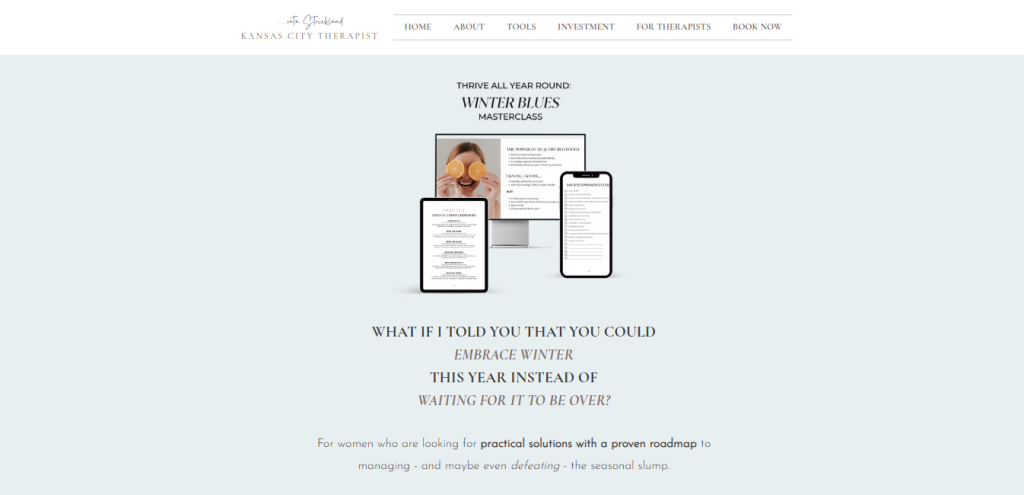
This website combines education with emotional support in a patient-friendly way. Mental health topics are explained clearly using simple, approachable language. The layout supports easy reading and learning without pressure.
Visitors can explore information at their own pace, helping reduce fear of the unknown. It is a strong example of mental health website design that educates, reassures, and empowers patients simultaneously.
Key Highlights:
- Clear educational focus: Topics are broken into easy-to-digest sections.
- Supportive learning tone: Encouraging rather than clinical or intimidating.
- Readable layout design: Typography and spacing improve comprehension.
- Patient empowerment: Knowledge helps visitors feel more in control.
- Emotionally safe presentation: Education delivered with sensitivity.
6. Empower Family Therapy
Family-Centered Therapist Website DesignExample
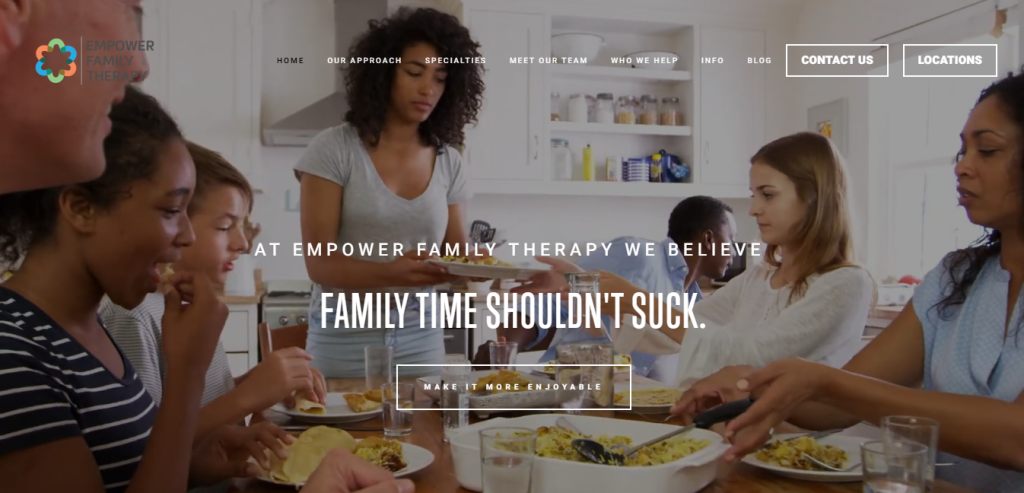
This website is thoughtfully designed for families and caregivers seeking support. The language feels inclusive, warm, and welcoming. Therapy services are explained clearly so visitors understand what to expect.
The layout guides users through the information gently, without pressure. This example shows how a therapist’s website design can create connection, trust, and clarity while supporting families during emotionally sensitive moments.
Key Highlights:
- Inclusive family messaging: Speaks directly to parents and caregivers.
- Clear service explanations: Family therapy options are easy to understand.
- Warm visual style: Encourages openness and comfort.
- Easy navigation: Designed for busy families.
- Support-focused experience: Emphasizes care and understanding.
7. Child & Family Therapy Collective
Inclusive & Reassuring Psychotherapy Website Example
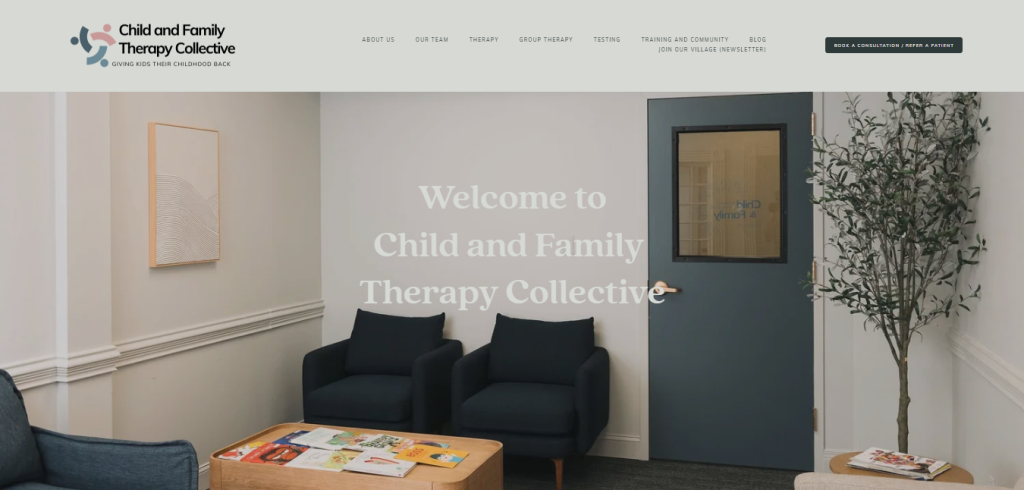
This website feels gentle, safe, and supportive for families seeking therapy. The language avoids judgment and focuses on care and understanding. A simple layout makes navigation easy and reduces stress.
Visual elements are calm and reassuring, helping visitors feel emotionally secure. As a psychotherapy website example, it demonstrates how inclusive design choices can build trust and encourage families to reach out.
Key Highlights:
- Non-judgmental language: Encourages emotional openness.
- Family-friendly structure: Easy for caregivers to navigate.
- Clear service focus: Visitors quickly understand support options.
- Calm visuals: Reduce anxiety and overwhelm.
- Trust-centered design: Encourages reaching out.
8. Cypher Mental Health
Modern Yet Human Mental Health Website Design
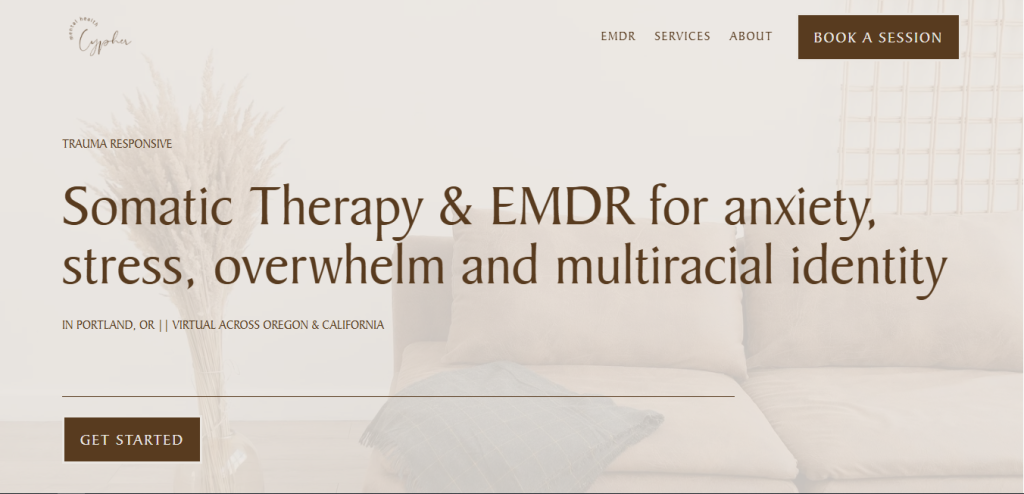
This website balances modern design with warmth and approachability. Clean layouts create a professional feel while language remains caring and easy to understand.
Visitors can quickly find information without feeling rushed or overwhelmed. The design avoids feeling cold or clinical. It is a strong example of mental health website design that feels current, trustworthy, and focused on patient comfort.
Key Highlights:
- Contemporary visual style: Clean and current without feeling cold.
- Human-centered language: Easy to understand and empathetic.
- Clear navigation paths: Smooth movement across pages.
- Professional trust signals: Builds confidence quickly.
- Balanced emotional tone: Modern yet comforting.
9. Jaree Basgall Therapy
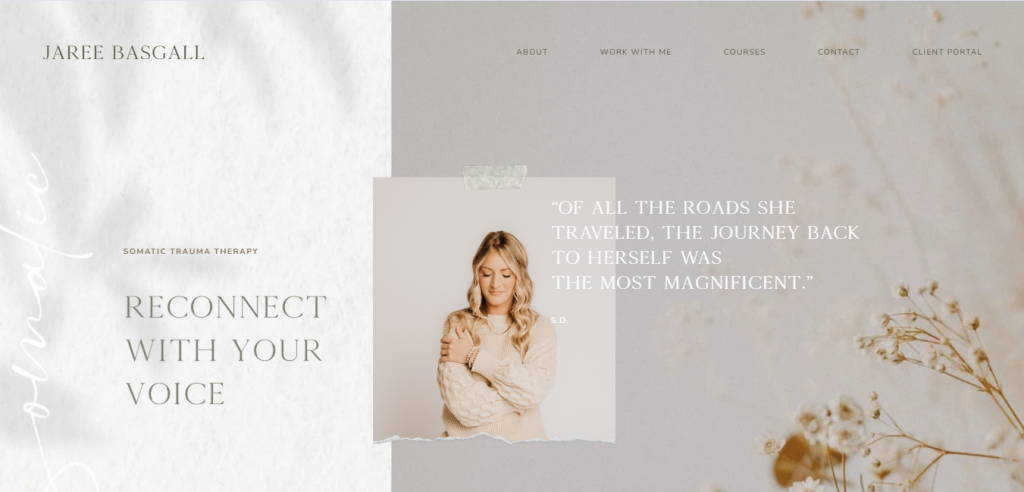
Personal & Story-Driven Counseling Website Example
This website builds connections through personal storytelling and authenticity. Visitors quickly learn who the therapist is and how they help. The design keeps attention on content rather than visual distractions.
Warm, respectful language encourages trust and openness. Among counseling website examples, it shows how sharing a therapist’s story can help patients feel understood before they contact a therapist.
Key Highlights:
- Relatable personal story: Builds emotional connection.
- Warm, respectful tone: Encourages trust.
- Simple layout: Keeps attention on content.
- Clear therapist identity: Helps visitors feel understood.
- Authentic presentation: Feels genuine and sincere.
10. DLT Well Collective
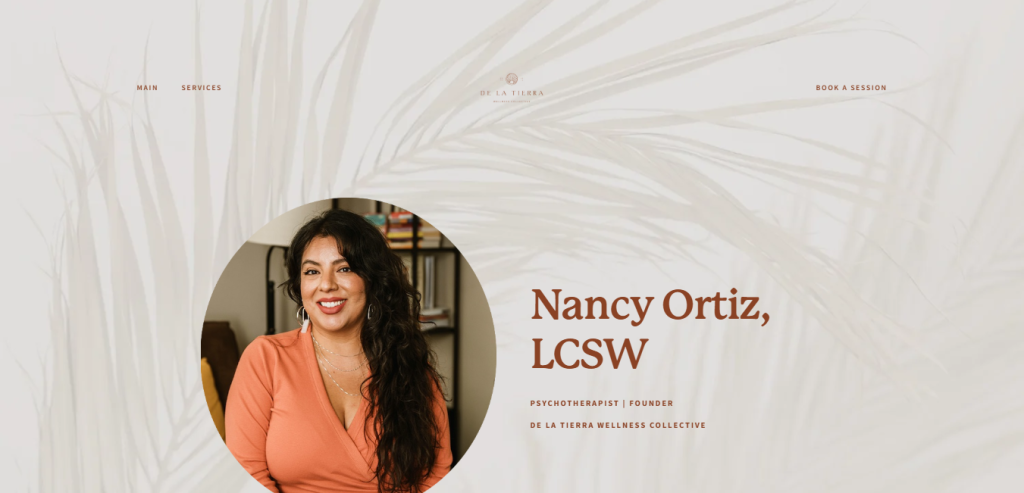
Balanced & Calm Psychotherapy Website Design Example
This website promotes emotional balance through a steady, uncluttered layout. The design feels calm and organized, helping visitors slow down while reading. Content is clearly structured, making services easy to understand.
The overall experience supports emotional regulation and reflection. It demonstrates how a therapist’s website design can encourage wellness by reducing overwhelm and creating a sense of calm and stability.
Key Highlights:
- Balanced visual structure: No overload or distraction.
- Wellness-centered messaging: Focused on growth and care.
- Readable content blocks: Easy on the eyes.
- Calm browsing experience: Encourages slow, exploratory browsing.
- Grounding design choices: Supports emotional stability.
11. Ever Be Therapy
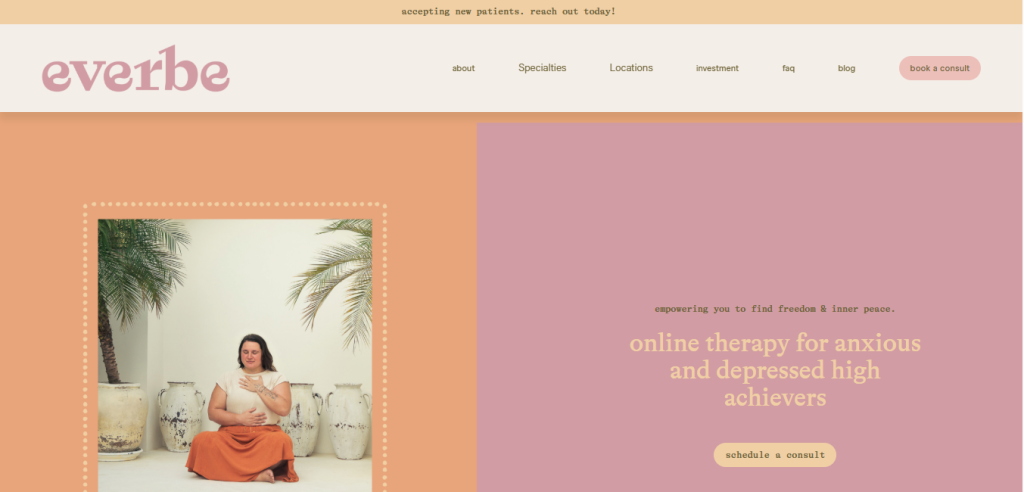
Hope-Focused Mental Health Website Design
This website feels encouraging, gentle, and emotionally supportive. The language promotes hope without minimizing personal struggles. Visitors are guided clearly through the next steps, helping reduce uncertainty.
Visual elements are soft and welcoming, reinforcing a sense of reassurance. As one of many psychotherapy website examples, it shows how thoughtful mental health website design can inspire confidence and make seeking therapy feel less intimidating.
Key Highlights:
- Hope-driven messaging: Encourages healing.
- Clear next steps: Visitors know how to begin.
- Friendly visuals: Soft and inviting.
- Simple structure: Easy to navigate.
- Patient-centered tone: Focused on support, not pressure.
12. Rachel Rudman Therapy
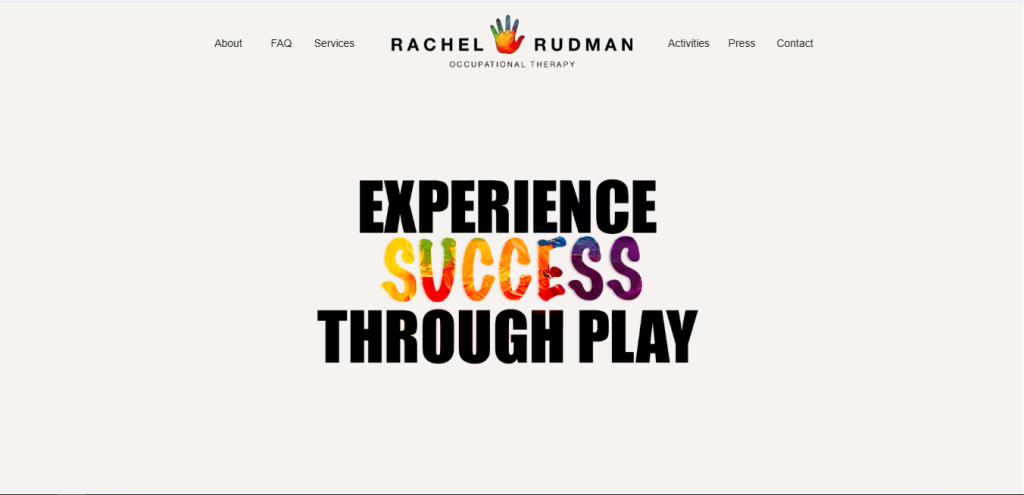
Clear & Compassionate Therapist Website Design
This website is easy to read, scan, and understand. Clear headings guide visitors through content, while the language feels compassionate and respectful.
The layout supports clarity without feeling cold or overwhelming. Information unfolds naturally, reducing cognitive effort. It is a strong example of therapist website design that balances professionalism with emotional warmth and patient-centered communication.
Key Highlights:
- Clear page hierarchy: Easy to scan.
- Compassionate language: Feels calm and understanding.
- Logical content flow: Information unfolds naturally.
- Low cognitive load: Reduces mental effort.
- Trust-focused structure: Encourages contact.
13. Artistic Affirmations
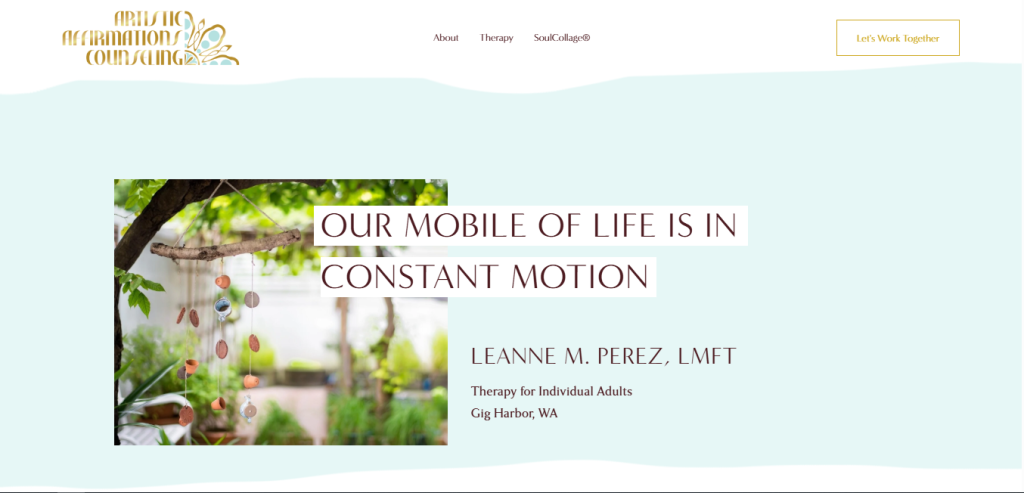
Creative & Expressive Mental Health Website Design
This website uses creativity to support emotional expression while remaining organized and accessible. Visual elements feel artistic without causing confusion. Messaging is clear and supportive, helping visitors easily understand the services.
The design reflects expressive therapy values while maintaining usability. It proves that mental health website design can be both creative, patient-friendly, and emotionally warm.
Key Highlights:
- Creative visual identity: Reflects expressive therapy.
- Clear messaging: Creativity does not reduce clarity.
- Emotional warmth: Supports comfort.
- Accessible layout: Easy navigation.
- Distinct personality: Memorable yet welcoming.
14. CWITT Counseling
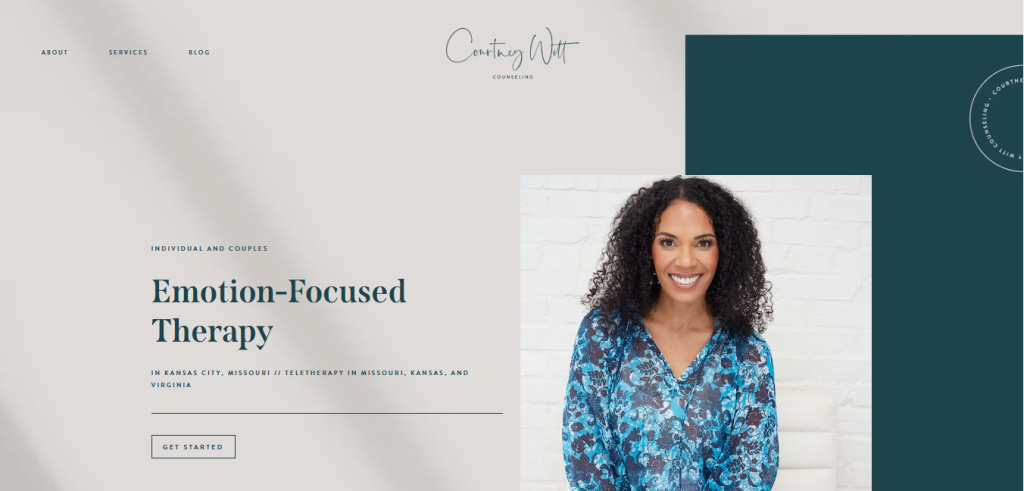
Straightforward Counseling Website Example
This website focuses on simplicity, clarity, and ease of use. Visitors can quickly understand services and how to get in touch.
The design avoids unnecessary visuals or distractions. Language is direct and respectful, helping reduce confusion. As one of many counseling website examples, it shows how a straightforward approach can build trust and make therapy feel accessible.
Key Highlights:
- Direct language: Easy to understand.
- Clean layout: No distractions.
- Clear contact options: Simple next steps.
- Calm structure: Supports emotional ease.
- Respectful tone: Patient-focused throughout.
15. Therapy With Joy
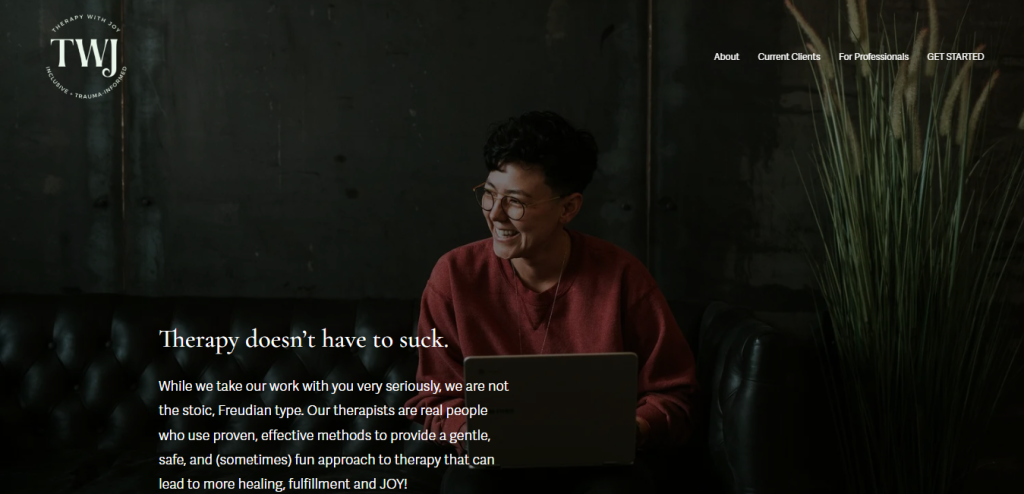
Uplifting & Friendly Psychotherapy Website Example
This website feels warm, positive, and emotionally open. The tone is kind and optimistic while remaining professional. Visitors feel welcomed and supported as they explore services.
Clear navigation and simple language reduce stress. It shows how a therapist’s website design can reflect personality, emotional care, and professionalism while helping patients feel safe taking the first step.
Key Highlights:
- Uplifting emotional tone: Encourages hope.
- Friendly visuals: Inviting and warm.
- Clear service explanations: Easy to follow.
- Smooth navigation: Effortless movement.
- Welcoming experience: Feels safe and supportive.
16. Ways to Wellness Therapy
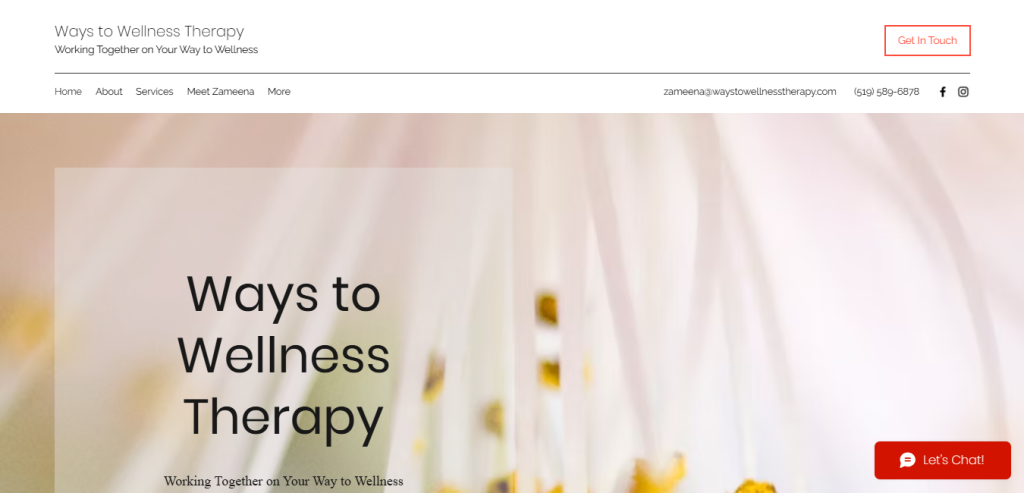
Growth-Oriented Mental Health Website Design Example
This website emphasizes balance, progress, and emotional growth. The design supports reflection through calm visuals and structured content. Visitors are guided gently toward understanding services and next steps.
The tone feels steady and supportive. It demonstrates how mental health website design can encourage wellness by creating clarity, emotional comfort, and confidence in the therapy process.
Key Highlights:
- Growth-focused messaging: Encourages positive change.
- Calm visual style: Supports reflection.
- Clear content organization: Easy understanding.
- Supportive tone: Emotionally steady.
- Guided user journey: Clear direction.
17. Wholeness Collective Therapy
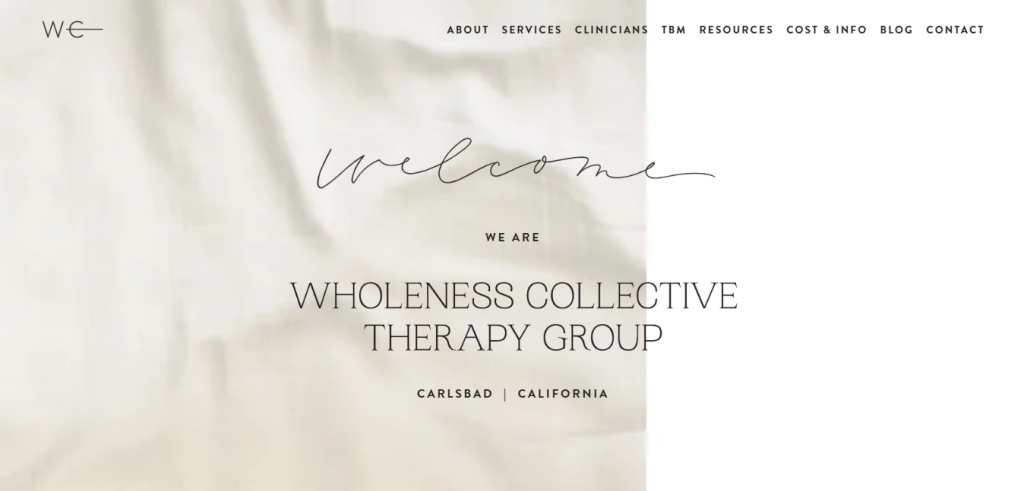
Whole-Person Psychotherapy Website Example
This website focuses on caring for the whole person through thoughtful design and language. Visitors feel welcomed into a supportive, inclusive space. Services are explained clearly, reducing uncertainty.
Calm visuals and reassuring words build trust and emotional comfort. As a psychotherapy website example, it shows how patient-centered design can make the first step toward therapy feel safe.
Key Highlights:
- Whole-person focus: Emotional and mental care combined.
- Warm collective feel: Encourages belonging.
- Clear service structure: Easy to understand.
- Calm user experience: Emotionally safe.
- Trust-driven design: Encourages reaching out.
Common Website Mistakes Psychotherapy Practices Should Avoid
Some therapy websites try to say too much at once. Others use language that feels too clinical or confusing. These mistakes can push people away.
Strong therapist website design keeps things simple. It avoids pressure and focuses on comfort.
How to Apply These Ideas to Your Own Psychotherapy Website
You do not need a complete redesign to improve your site. Small changes can help:
- Use shorter sentences
- Add clearer calls to action
- Make contact options easy to find
Looking at real psychotherapy website examples can help you understand what works and why.
Why Patient-Centered Website Design Matters in Psychotherapy
When someone visits a therapy website, they may already feel anxious or unsure. A cluttered or confusing site can push them away. A patient-centered design does the opposite.
A good mental health website design feels calm and respectful. It explains things clearly. It avoids pressure. It helps visitors feel safe and understood.
Many of the best psychotherapy website examples focus less on selling and more on connection. They show that the therapist truly cares about the person behind the screen.
What Makes a Psychotherapy Website Truly Patient-Focused
A patient-focused therapy website usually shares a few key traits:
- Simple words that are easy to understand
- Soft colors and clean layouts
- Clear information about services
- Easy ways to book or get in touch
Strong therapist website design avoids complex language and long blocks of text. Instead, it guides visitors gently, step by step.
The best counseling website examples also show warmth. They feel human, not clinical.
Key Design Elements Patients Look For on Therapy Websites
Patients often look for reassurance first. They want to know:
- Who is this therapist?
- Can they help me?
- Is it okay to reach out?
A great mental health website design answers these questions quickly. Clear menus, friendly photos, and honest language make a big difference.
Conclusion
A therapy website is more than a digital presence. For many people, it is the first place they look for help and the first moment they decide whether it feels safe to continue. When psychotherapy websites are thoughtfully designed, they can ease fear, foster trust, and help people take the first step toward therapy.
A strong therapist and mental health website design highlights clarity, warmth, and emotional ease. Using simple words, gentle images, and easy navigation makes visitors feel welcome, not stressed. The best counseling website examples do not try to impress. They listen, guide gently, and create space for healing to begin.
Whether you are a therapist building your own website or a designer working in the mental health space, these examples prove that patient-centered design is not optional. It is essential. When a website puts patients first, it becomes more than a website. It becomes a safe place to start.
Frequently Asked Questions
A psychotherapy website is patient-friendly when it feels calm, clear, and welcoming. Simple navigation, gentle colors, and easy-to-read text help visitors feel less overwhelmed. Patient-friendly psychotherapy website examples focus on emotional comfort rather than complexity. They guide visitors gently, explain services clearly, and make it easy to take the next step without pressure.
Website design is crucial because it shapes a patient’s first impression. Many people decide whether to reach out based on how safe and understood they feel on a site. A thoughtful therapist website design can ease anxiety, build trust, and show care before the first conversation.
Patients should find clear service details, a warm greeting from the therapist, simple contact methods, and a peaceful visual style. The best mental health website design makes it easy to understand what help is available and how to get started without confusion or stress.
Psychotherapy websites make patients feel at ease. They use friendly language, clear layouts, and encouraging messages. When a site explains what therapy is like and what to expect, it reduces fear of the unknown. Many compelling counseling website examples focus on emotional safety before action.
Soft, neutral colors like blues, greens, and warm earth tones work best for psychotherapy websites. Clean layouts with plenty of space help visitors feel calm and focused. Strong mental health website design avoids clutter and uses visual balance to support emotional ease.
Clear language is extremely important. Patients may already feel stressed or unsure, so complex or clinical wording can create distance. The best therapist website design uses simple, friendly language. It feels human and easy to understand. This helps visitors feel supported, not confused.
Yes, online appointment booking is very helpful. It allows patients to take action when they feel ready, without the pressure of calling or waiting. Many modern psychotherapy websites have simple booking tools. These tools make the first step easier and more private.
A therapist’s website should clearly show services offered, areas of focus, therapist background, contact details, and how to book an appointment. The top counseling websites show this information in just a few clicks. This reduces frustration and confusion.
A psychotherapy website builds trust through transparency, warmth, and consistency. Clear explanations, authentic therapist bios, and a calm design help visitors feel safe. Trust-focused mental health website design avoids exaggeration and focuses on honesty and care.
Yes, mobile-friendliness is essential. Many patients search for therapists on their phones, especially during emotional moments. A responsive therapist website design makes it simple to read and navigate on any device. This helps patients access support whenever they need it.